
Monthly Archives: August 2016

Meeting of August 20, 2016

Jim Rhetta on “The Federal Blockade—Its Overlooked Impacts on the Confederate War Effort”
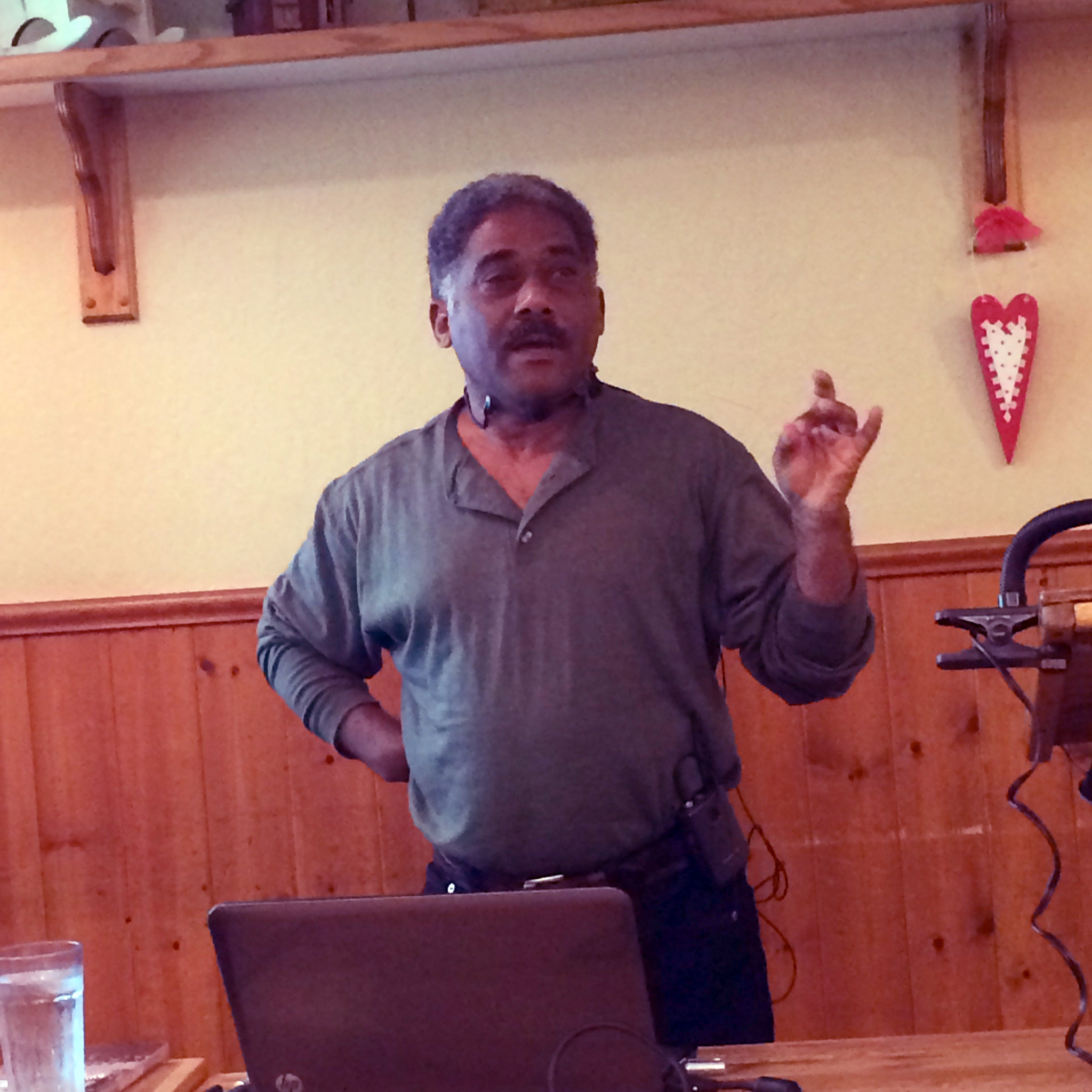
Jim Rhetta

Jim Rhetta

The blockade was one of the three strategic objectives of the Federal war effort against the Confederacy. Civil War readers and historians still debate its effectiveness, with some citing the fact that blockade running ships still got through to a Southern port in the last days of the conflict as proof that it was not very effective.

What is overlooked is that the blockade produced secondary and indirect impacts to the Confederate war effort that are often not attributed to the blockade. These secondary impacts had a combined effect that seriously weakened the Confederate war effort and made the blockade more effective than most readers realize. Jim’s presentation described the Federal effort to build and operate a blockade force and the counter-efforts by blockade runners. It also identified the blockade impacts that crippled the economy, restricted transportation, reduced military effectiveness, and lowered social morale in the Confederacy.

Meeting Minutes August 2016

Quiz for August 20, 2016

Civil War Quiz: Brother Against Brother – The War Begins

Q#1 – What were the five main provisions of the Compromise of 1850?

Q#2 – Who were the other three candidates on the ballot for President in the election of 1860 in addition to Lincoln?

Q#3 – Why was Hannibal Hamlin chosen as Abraham Lincoln’s Vice Presidential running mate in 1860?

Q#4 – The attack on Fort Sumter on April 14, 1861, was not the first Union fort to be taken. What were the names of three Union facilities taken by the Confederates in January 1861?

Q#5 – In April 1861, were the organized territories of Nebraska, Washington, Kansas, Utah, and New Mexico in favor of slavery or opposed to it?

Q#6 – How many hours did the Confederate bombardment of Fort Sumter last: 25? 30? 33? 40? 42?

Q#7 – What reason did President Lincoln give for bypassing Congress when on April 15, 1861, he called for 75,000 militiamen for the Army?

Q#8 – In late April, 1861, proposing an army of 80,000 men, George McClellan submitted two plans to Winfield Scott that McClellan stated would “bring about the destruction of the Southern Army.” What were the plans?

Q#9 – What was the name of the first Union officer to die in the Civil War?

Q#10 – What was the name of the first general to die in the Civil War (Hint: He was a Confederate)?

Q#11 – The Battle of Big Bethel occurred on June 10, 1861, with Union forces led by Benjamin Butler. What was the name of the Confederate commander Butler faced in the battle?

Q#12 – What Union general’s military actions in June/July 1861 eventually secured West Virginia’s entry into the Union?

Q#13 – At the Battle of First Bull Run, each side had an army of about 35,000 men. However, not all these were actually engaged in the fighting. Approximately the same number of soldiers on each side was actually involved in combat. What was the number?

Q#14 – During the Battle of First Bull Run, what was the name of the Confederate general who gave Thomas Jackson his name of “Stonewall”?

Q#15 – What were the approximate total number of casualties for both Union and Confederate forces at the Battle of First Bull Run?