
Tonya Graham McQuade on “‘Paddy’s Lament’ and the Irish Brigade”
In the heartbreaking 19th century ballad “Paddy’s Lament,” a young Irishman – “Paddy” or “Patrick” – leaves Ireland, where he faces hunger and poverty, to go to America, where he hopes to make his fortune. Instead, upon his arrival, he is given a gun and told to “go and fight for Lincoln.” He soon finds himself fighting for a man named “Meagher,” who promises his troops that “if they get shot or lose [their] head” in battle, they will be given a pension. After “hard fighting” and losing his leg, all Paddy gets is “a wooden peg,” and he curses America. He wishes he were “home in dear old Dublin,” and he warns others not to come to America, for “there is nothing here but war and the murdering cannon’s roar.”
So, how accurately does this song represent the Irish experience in the Civil War?
In the ten years following Ireland’s Great Famine (1845-1850), approximately 1.5 million Irish emigrated to the U.S. Most settled in large cities such as New York, Boston, and Philadelphia, where they often faced significant prejudice due to their poverty, Catholic beliefs, cultural practices, and language. Many of those new Irish immigrants, however, chose to fight in America’s Civil War – approximately 180,000 in the Union army and 20,000 in the Confederate army. An estimated 30,000 Irishmen died in the conflict. Those who fought under the “General Meagher” referenced in “Paddy’s Lament” primarily did so as part of the Irish Brigade.
Three all-Irish volunteer infantries formed the core of what would become the Irish Brigade: the 63rd, 69th, and 88th New York Infantry Regiments. They were later joined by the 116th Pennsylvania and the Irish-dominated 28th Massachusetts. Most were recent immigrants; many, not yet citizens. Some, as described in “Paddy’s Lament,” were fresh off the boat. In the first two years of the war, the Irish Brigade had the highest casualty rate of any comparable unit in the Army of the Potomac.
In this month during which we celebrate St. Patrick, come listen to the song “Paddy’s Lament” and learn more about the history of the Irish Brigade and how accurately this ballad represents their experience in the Civil War.
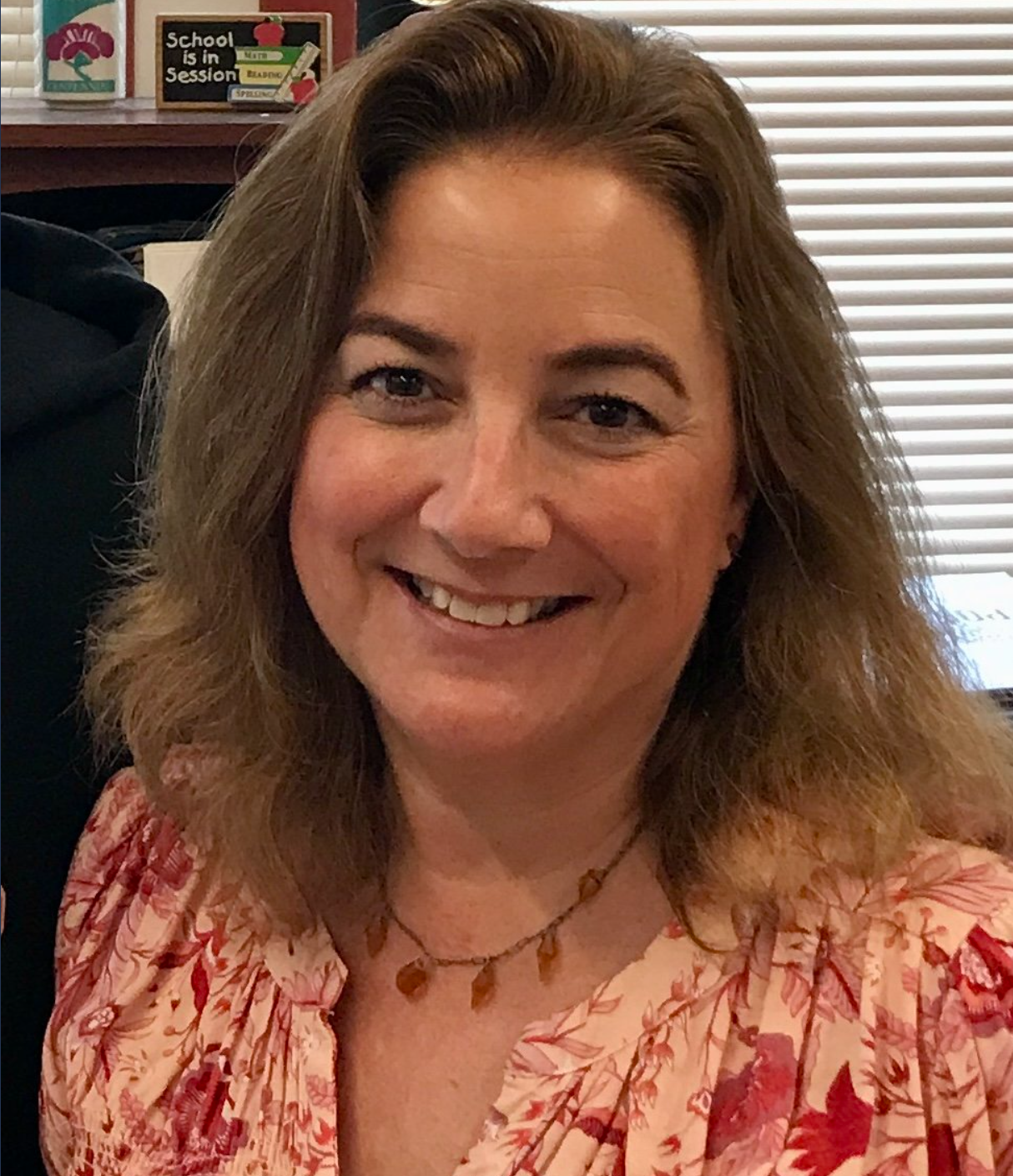
Tonya Graham McQuade is the author of A State Divided: The Civil War Letters of James Calaway Hale and Benjamin Petree of Andrew County, Missouri, 1862-65, and is a contributing writer to the Emerging Civil War website. She has a love for both history and historical fiction, as well as a passion for writing, music, travel, and genealogical research.
In the summer of 2023, Tonya visited Ireland and Scotland with her husband Mike. Her first night in Dublin, she heard a live performance of the ballad “Paddy’s Lament,” and the song planted itself in her brain. She continued to think about the song’s haunting lyrics as she visited Dublin’s EPIC Immigration Museum, viewed the nearby Famine Memorial, and climbed aboard the replica Jeanie Johnson famine ship. Once she returned to San Jose, she began researching the song’s history, listening to its various versions, and studying the Irish experience in the Civil War, particularly as part of the Irish Brigade. She eventually wrote two related articles for the Emerging Civil War website. This presentation expands on those articles.
A long-time English teacher at Los Gatos High School, Tonya lives in San Jose, California. She is an active member of Emerging Civil War, South Bay Civil War Round Table, South Bay Writers/California Writers Club, National League of American Pen Women, and Poetry Center San Jose. You can learn more about Tonya on her website at tonyagrahammcquade.com, as well as find photos related to the book and to her research trips to Missouri. You can also find links to her Chasing History and Emerging Civil War blog posts, her poetry and photography, and her social media sites.