Civil War Quiz: Spies, Scouts, and Raiders
Q#1 – Before he performed his most famous role as artillery commander for Pickett’s Charge, what Confederate officer’s first role was that of spying on Union troops movements?
Q#2 – In the spring of 1862, US Grant appointed a man to create Grant’s espionage apparatus. What was this man’s name?
Q#3 – What is the name of the Southern woman whose spying activities earned her the name “The Siren of the Shenandoah”?
Q#4 – In 1863, a Union officer was appointed head of the Army of the Potomac’s Bureau of Information. What was his name?
Q#5 – What was the name of the Confederate Officer who set up the Confederate Secret Service Bureau?
Q#6 – Name the woman who was a Union sympathizer who lived in Richmond and among her spying activities also took food to the Union prisoners kept in Libby Prison?
Q#7 – What was the name of the Confederate spy who lived in Washington DC and stole George McClellan’s Peninsula order of battle and plans in April 1862?
Q#8 – A man who spied for the Union was actually the Superintendent of the key southern RF&P Railroad that supplied General Lee’s troops in 1862-63. What was his name?
Q#9 – What is the name of the Confederate spy who planted a bomb containing 12 pounds of power and exploded it on August 9, 1864 with the subsequent blast almost killing US Grant at the Union’s City Point Supply Depot?
Q#10 – What Confederate commander spoke these words: “In general my purpose was to threaten and harass the enemy on the border and in this way compel him to withdraw troops from his front to guard the line of the Potomac and Washington. This would greatly diminish his offensive power”
Q#11 – What was the name of the Union raider who in 1862 stole the Confederate locomotive named “The General”?
Q#12 – On April 21, 1862, the Confederate Congress passed legislation that was intended as a stimulus for recruitment of irregulars for service into the Confederate States Army during the American Civil War. What was the name of this law?
Q#13 – Confederate William Quantrill named a Kansas Senator “…the chief of all the Jayhawkers and the worst man that was ever born into this world.” What was this Senator’s name?
Q#14 – In 1864, the Louisville Kentucky Courier Newspaper wrote that a band of Confederate guerrillas in Kentucky was led by a woman named Sue Mundy. This person was in fact a man. What was his name?
Q#15 – On August 25, 1863, General Thomas Ewing Jr., who was William Tecumseh Sherman’s brother-in-law, issued his General Order No. 11, which isn considered one of the most repressive measures ever inflicted upon an American civilian population. What was that order?

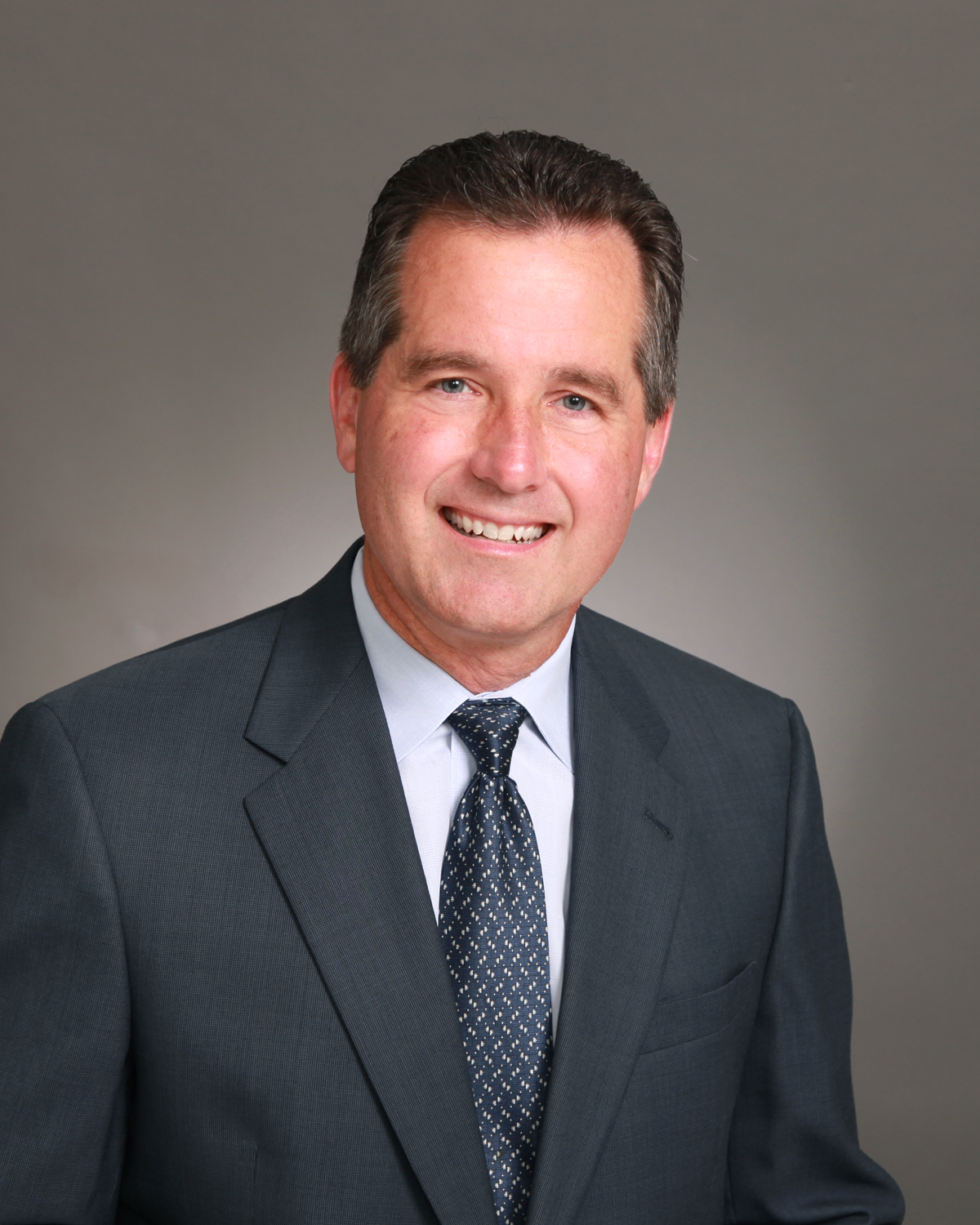
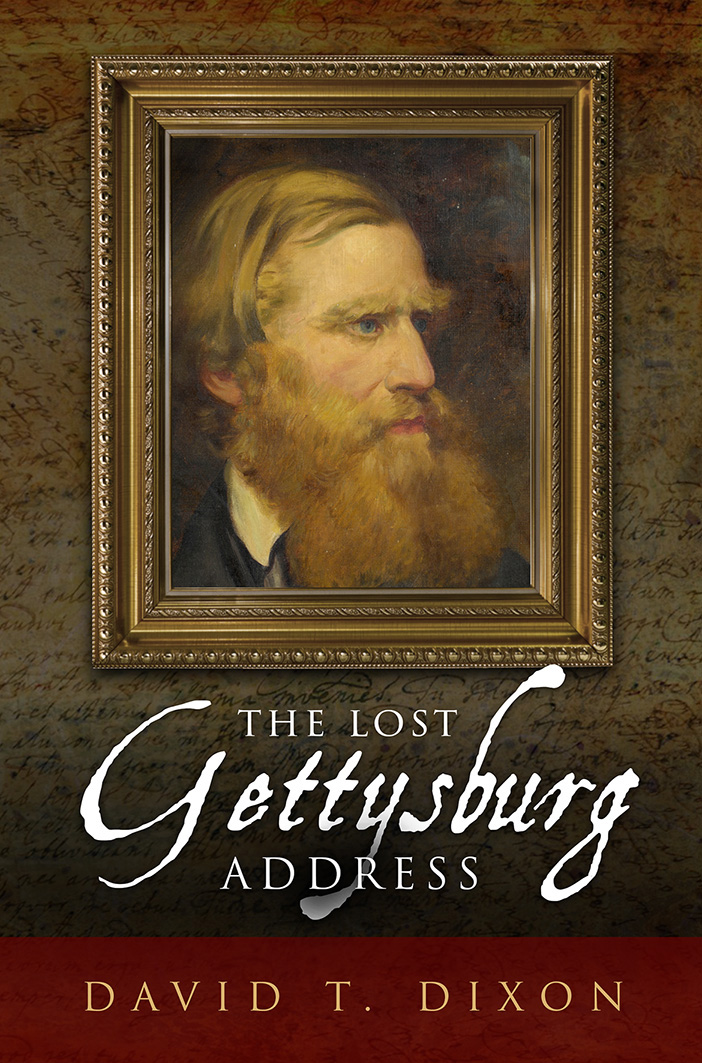 David explained why Anderson, a slave owner, sacrificed nearly everything to help save the Union and how he ended up sharing the spotlight with Lincoln at Gettysburg in November 1863. He gave one of the two principal speeches that bookended Lincoln’s masterpiece, then the speech itself was lost for 150 years and uncovered at a remote ranch in Wyoming.