
David Hsueh on “Let Us Die to Make Men Free: The Story of Antietam’s Union Participants”
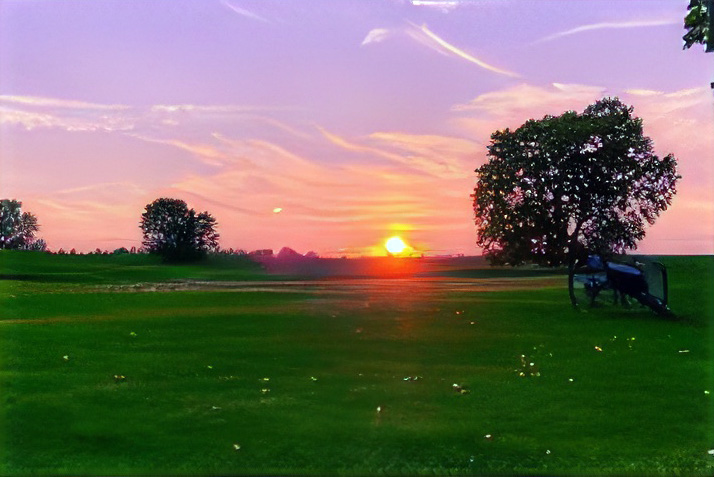
The Battle of Antietam was a defining point not only in the American Civil War, but in American history. Fall of 1862 was the crossroads of the war and for the nation. Through the strategic victories during the Seven Days Battles and their incredible triumph at Second Manassas, General Lee and the Army of Northern Virginia had nearly pinned the Army of the Potomac to submission. If General McClellan had failed to make a home stand in Maryland, it would have caused enormous implications regarding European intervention in the war and in peace talks. During this crucial time, the widening split on the question of slavery further pressured Lincoln to declare this country’s final verdict on the divisive moral argument. The Maryland Campaign, and the bloodiest day in American history at Antietam, ushered in a new beginning to make men free.
Yet, as Civil War scholars, we often get so caught up in studying the biographies of high-ranking officers and memorizing order of battles that we often forget the human cost of battle and war. Counts of casualties can just seem like numbers typed on pages. After all, it is hard to imagine all the death and carnage these battles caused, but we must remember that behind every casualty is a human being, and thus, a personal story. Being a scholar of the American Civil War isn’t just being knowledgeable of the minute details of military campaigns but also means that we are able to understand, empathize, and share the stories and experiences of the soldiers that fought in it. By visiting hallowed ground and contemplating, and by putting ourselves in the shoes of these brave fighters, it puts our lives in total perspective. Imagine how the soldiers must have felt, having just a few minutes to process that every defense or every assault may be their last. Would they have thought about their families back home in this final moment: their sweethearts, their brothers and sisters, their mothers and fathers, their wives and children? Would they have experienced guilt that their families would have to struggle to live without their financial support? Or rather, did some express a certain joy in reuniting with their lost comrades again? How would we respond in their shoes? Would we cowardly run for the rear in an attempt to save our own life, or would we obey orders, hoping that our sacrifice would be enough to save our unit and our army? Regardless, we must understand that we would not have the courage, bravery, and fearlessness of these men to make this sacrifice on the harrowing day of September 17, 1862.
Instead of retelling the well-known history of the Battle of Antietam, this narrative style talk, “Let Us Die to Make Men Free: The Story of Antietam’s Union Participants,” attempts a different approach by telling the stories and vignettes of two Union regiments, the 12th Massachusetts (I Corps, 2nd Division, Third Brigade) and the 16th Connecticut (IX Corps, Third Division, Second Brigade); two Union field-grade officers, Major Rufus Dawes of the 6th Wisconsin (I Corps, 1st Division, Fourth Brigade) and Lieutenant Colonel Wilder Dwight of the 2nd Massachusetts (XII Corps, 1st Division, Third Brigade); and the famed “Angel of the Battlefield”, nurse Clara Barton, whose acts of bravery and benevolence displayed that even in the depths of hell, humanity and morality could still transpire. Through the soldiers’ writings and the accounts of others that served alongside them, the talk aims to tell a complete picture of their lives at the outbreak of the Civil War, to illustrate their hopes, courage, worries, and fears while fighting the Maryland Campaign, and how their future memory of the ghastly Battle of Antietam gave them immeasurable grief and trauma.
David Hsueh is currently an incoming junior as a political science student at the University of California, Berkeley. As an avid history learner since kindergarten, his first introduction to the American Civil War came when he read about President Lincoln. However, his true passion for the Civil War began after his first viewing of the movie Gettysburg, and his subsequent visits to the Gettysburg and Antietam Battlefields seven years ago at age 11. His two main interests in the Civil War regard brigade to army leadership decisions on the battlefield and human interest stories, both of generals and of the common soldier.
Antietam is his favorite Civil War battlefield to visit, having been there a total of five times. His favorite spot on the Antietam battlefield is Snavely’s Ford, the location where Isaac Rodman’s 9th Corps division forded over the Antietam Creek. He is currently reading D. Scott Hartwig’s title To Antietam Creek, and highly recommends Bradley M. Gottfried’s The Maps of Antietam.