Civil War Quiz – What Do You Know About Confederate Railroads During the Civil War?
Q#1 – Prior to the Civil War, what was the primary purpose of railroads in the South?
Q#2 – At the outset of the war, the Confederacy actually possessed the third largest set of railroads of any nation in the world. Approximately, how many miles of railroad track existed in the South?
Q#3 – At the beginning of the Civil War, what action by the Confederate government had an adverse impact on the profitability of Southern railroad companies?
Q#4 – Lucrative government contracts were doled out to rail operators with lines supplying men and arms to the front line of Tennessee and Virginia. What was the payment rate railroads charged?
Q#5 – What were the two key railroad deficiencies the Confederacy suffered from?
Q#6 – What condition significantly crippled the ability to transport troops and supplies in the South?
Q#7 – Built in 1862, what was the name of the 5.5-mile railroad spur built off the Orange and Alexandria Railroad at Manassas Junction to supply the Confederate defenses in northern Virginia?
Q#8 – In 1863, what action did the Confederate government take regarding the railroads?
Q#9 –What other legislation passed by the Confederate Congress had a significant adverse impact on railroad passenger traffic in the South?
Q#10 – As the war progressed, the problem of railroad supplies had become increasingly acute, especially with respect to the already small supply of engines and cars. Stressed by overuse, lacking material to make repairs, and the conscription of men who could make them, where did railroad operators turn to for these supplies and equipment?
Q#11 – What was the main reason Confederate railroad operators did not seek, nor build, alternative sources of iron for rail construction and repair?
Q#12 – Where did the Confederacy get the rails for replacement track?
Q#13 – When the Confederate government attempted to rectify the problem of the absence of rail connections, what problems did it encounter?
Q#14 – What action by retreating Confederate forces further exasperated the South’s railroad capability?
Q#15 – Attempts were made to enlarge the Confederacy’s rail system by adding or connecting lines. Of the three major rail projects the Confederate congress proposed and funded, only one of them was completed – what was the name of that project?

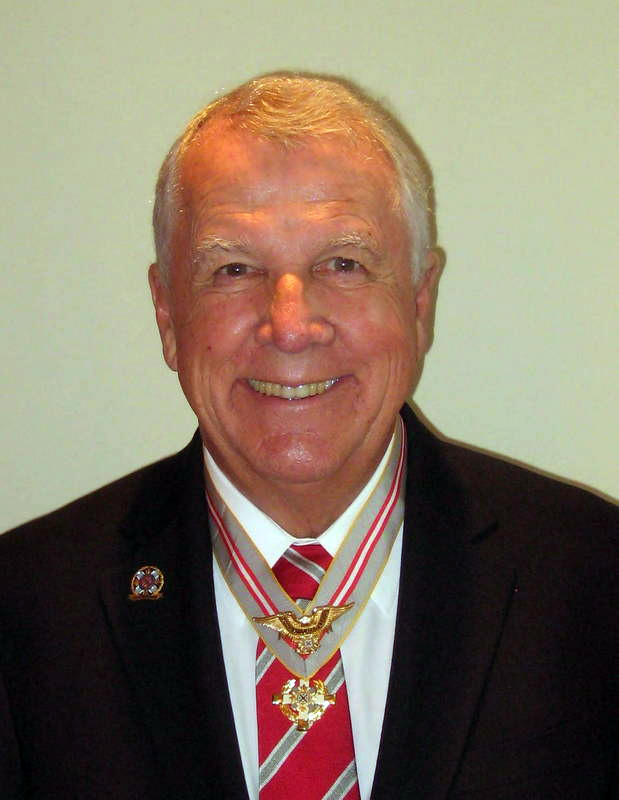 Howard is the President of the Peninsula Civil War Round Table. He is a Marine Corps Veteran and a graduate of the University of Oregon. He is the immediate Past Commander General of the Military Order of the Stars and Bars. He is a former President of the Silicon Valley Chapter of the Sons of the American Revolution. In addition, he served for 12 years as the Public Member of San Mateo County’s Local Agency Formation Committee. Howard frequently gives presentations about American history to elementary grade school children and heritage groups such as the DAR, SAR, and the UDC.